
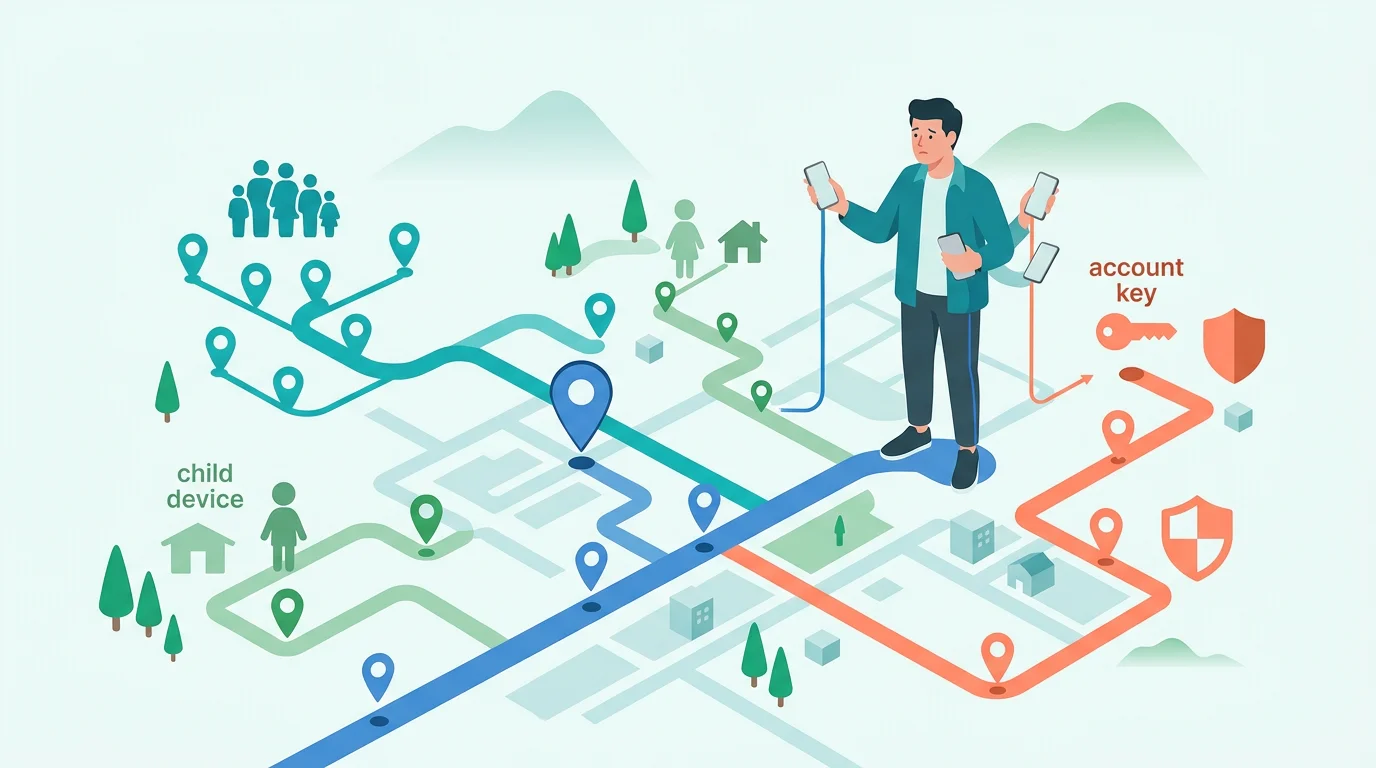
No legitimate phone tracker app can track any cell phone from only a phone number or without some access path. The right app depends on whether you are finding your own phone, sharing location with family, supervising a child’s Android device, using a family locator, or monitoring an authorized Android device.
For your own Android phone, start with Google Find Hub. For iPhone and Apple devices, use Apple Find My. For family location and geofences, compare Life360. For a supervised child’s Android phone, use Google Family Link. For authorized commercial Android monitoring, compare Hoverwatch.
The old idea of a tracker that can find “any phone” is the part to avoid. Real tracking needs a Google account, Apple Account, family sharing, supervised child account, app install, device ownership, or company-owned device authority.
Fast answer
No legitimate app can track an arbitrary phone from only a phone number.
Google Find Hub is the best first check for your own Android phone and Google-account devices.
Apple Find My is the best iPhone and Apple-family location path.
Life360 is the dedicated family locator pick when geofences and location history matter.
Hoverwatch belongs only in authorized Android monitoring, not remote any-phone tracking.
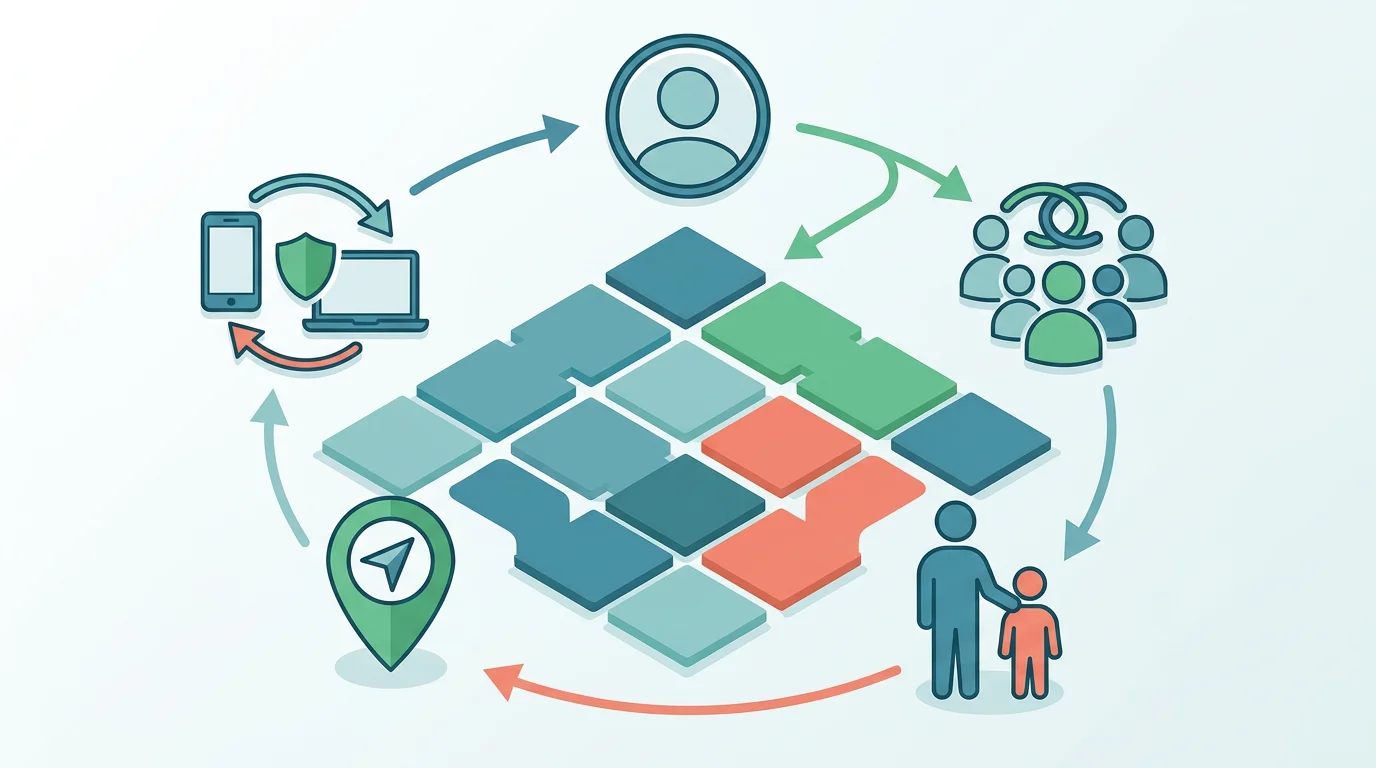
Quick answer: choose by access path
| App | Best fit | Access needed | Price snapshot |
|---|---|---|---|
| Google Find Hub | Your own Android phone, Google devices, compatible items | Google account, Find Hub enabled, location/device settings | Free |
| Apple Find My | iPhone, Apple devices/items, opted-in family/friend location | Apple Account, Find My, optional Family Sharing/location sharing | Free |
| Life360 | Dedicated family locator with geofences and history | Everyone installs/joins the Circle and shares location | Free; paid from $7.99/month |
| Google Family Link | Child Android location plus parental controls | Supervised child Google account and location sharing | Free |
| Hoverwatch | Authorized commercial Android monitoring/tracking | Owned/child/company Android device with authorized setup | About $29.95/month personal |
If you need simple lost-phone recovery, use the free platform finder first. If you need family location, use a transparent family locator. If you need broader commercial monitoring, choose only after checking device ownership, setup path, price, and data risk.
The same map pin means different things depending on who owns the phone and who agreed to share location.
-
Own device: account recovery tools come first.
-
Family location: use transparent sharing and geofences.
-
Child Android: supervised accounts beat hidden tools.
-
Company device: policy and notice matter as much as features.
-
Paid monitoring: price only matters after access is valid.
-
Phone-number-only offers are not a real access path.
Can an app track any cell phone?

No. A phone tracker app cannot legitimately track an arbitrary phone from only a number. It also cannot bypass account access, device permissions, or user location-sharing settings just because a website claims it can.
 Expert perspective Jennifer King Privacy and Data Policy Fellow, Stanford HAI
 King’s work on location privacy and digital surveillance is a useful reminder for tracker buyers: the key privacy question is not only whether an app can locate a phone, but whether the person, account, or organization has a legitimate relationship to that location data.
Your own device connected to your account, a family member who shares location, a supervised child account, a company-owned device with proper management, or an authorized Android monitoring setup.
Entering a phone number to see a live location, bypassing account access, or using a site that promises universal tracking without a device relationship.
A phone tracker is only useful after the relationship is clear. For readers, the safest buying order is native recovery first, mutual family sharing second, supervised child controls third, and commercial monitoring only when the device is owned, managed, or otherwise authorized.
The 5 best phone tracker apps in 2026
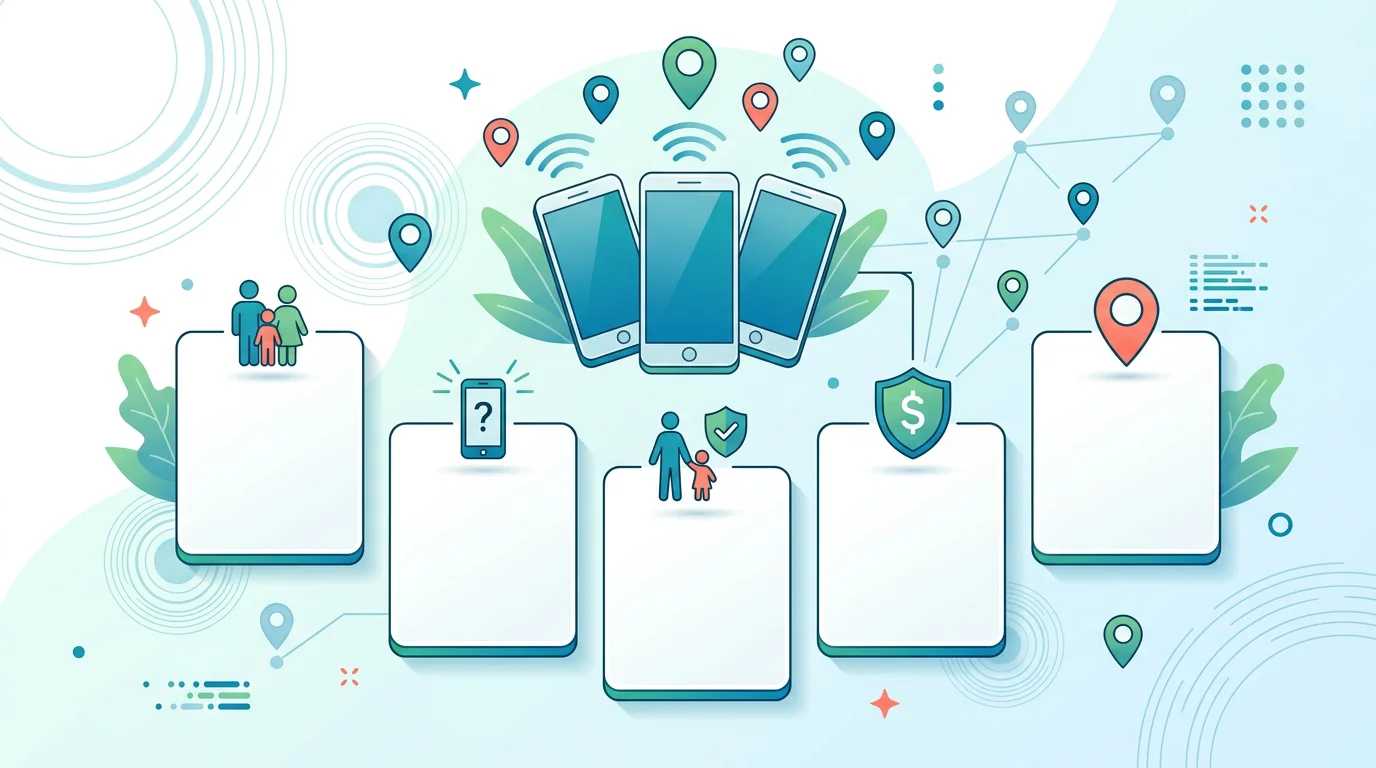
Use these reviews as fit checks. The best choice is the one that matches the phone and the access path you actually have.
Swipe through the main use cases before comparing prices.
Own Android
Start with the account-native finder before paying for monitoring.
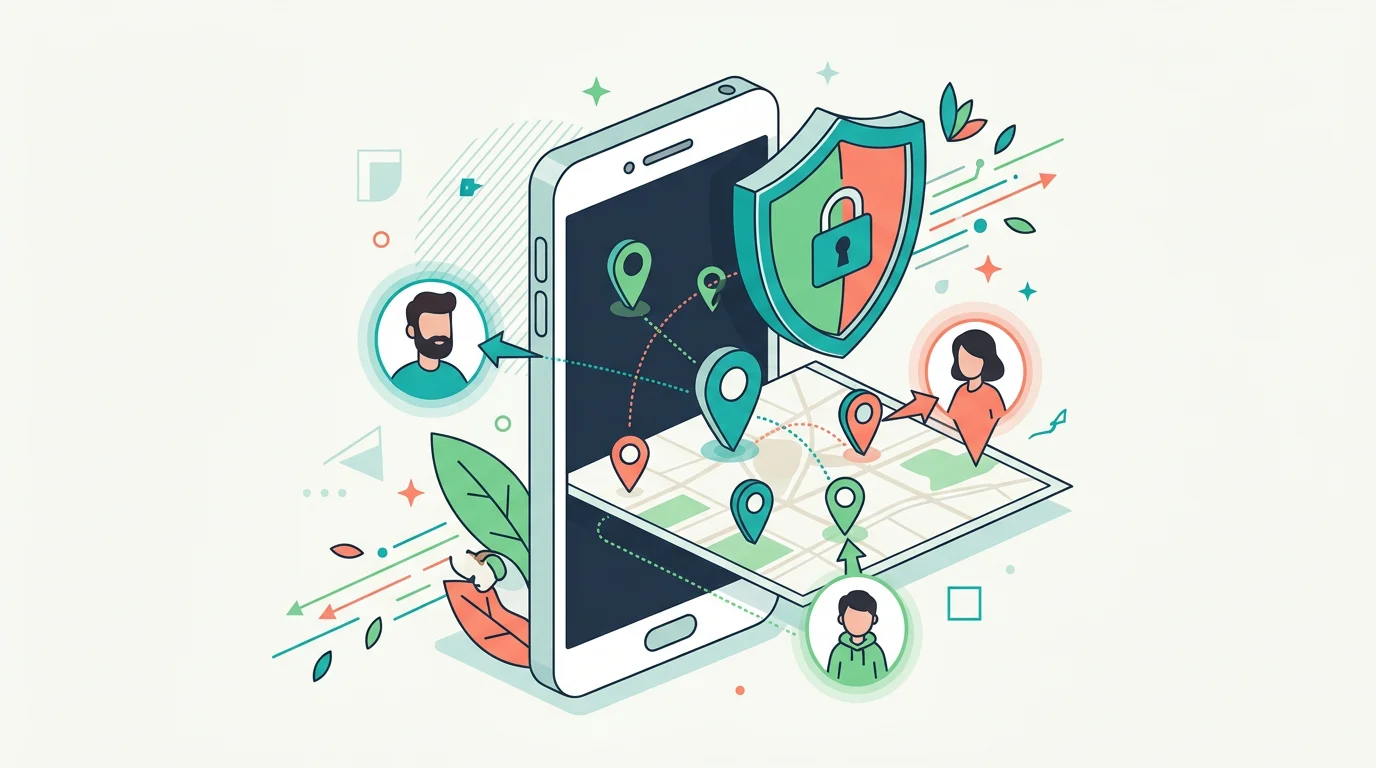
Apple devices
Use Find My and opted-in sharing inside the Apple ecosystem.

Family locator
Choose a shared locator when circles and place alerts matter.
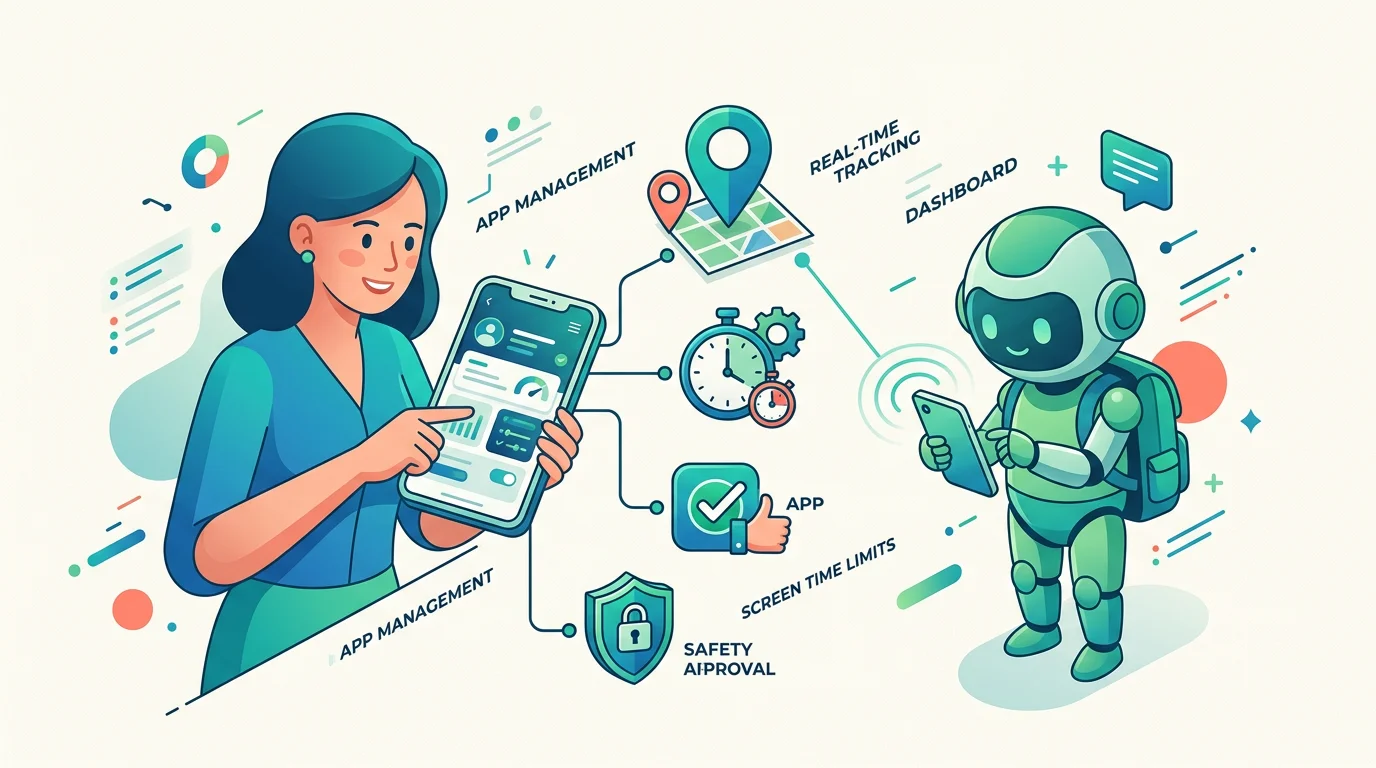
Child Android
Use supervised accounts when parental controls are the real need.
Authorized Android
Use paid monitoring only when the device relationship is valid.
1. Google Find Hub
Google Find Hub is the best phone tracker for your own Android phone and Google-account devices. It is the successor to Find My Device and is built for locating your devices, accessories, and compatible items.
Find Hub can show supported phones, tablets, headphones, and accessories on a map, play a sound, secure or erase a lost device, and help with live location sharing. Google’s Play Store listing says Find Hub network location data is encrypted and not visible even to Google.
| Use case | Access path | Cost | Main limit |
|---|---|---|---|
| Find your own Android phone | Google account, device settings, and location | Free | Not for tracking another person's phone |
| Locate Google-compatible items | Find Hub network and supported accessories | Free | Device/item compatibility matters |
| Secure a lost phone | Account access and device lock | Free | Works best before the phone is lost |
Best for: Finding your own Android phone or Google-connected devices/items.
Access needed: Google account, device settings, location, Find Hub enabled, and device security lock where required.
Price snapshot: Free.
Where it does not fit: It is not a spy app and cannot track someone else’s phone without account/device relationship or location sharing.
Google Find Hub fit
Pros
- Free and built into the Google device ecosystem.
- Best first step for lost Android phones and compatible items.
- Can help secure or erase a lost device.
Cons
- Does not track arbitrary phones by number.
- Depends on account, settings, connectivity, and compatible devices.
- Not a family locator or monitoring dashboard.
Bottom line: Use Google Find Hub first for your own Android phone.
2. Apple Find My
Apple Find My is the best tracker for iPhone, Apple devices, AirTags, and opted-in family or friend location sharing. It is built into Apple’s ecosystem and works best when everyone uses Apple devices.
Find My can locate Apple devices and items, support live location sharing, and send notifications when someone arrives or leaves if location sharing is enabled. Apple’s Family Sharing privacy materials emphasize that location sharing is tied to user and family settings, not hidden tracking.
| Use case | Access path | Cost | Main limit |
|---|---|---|---|
| Find your iPhone or Apple device | Apple Account and Find My enabled | Free | Apple ecosystem only |
| Share family location | Opted-in location sharing or Family Sharing | Free | Not hidden tracking |
| Track items | Find My-compatible item setup | Free platform feature | Requires compatible item hardware |
Best for: iPhone, Apple devices/items, and Apple family location sharing.
Access needed: Apple Account, Find My enabled, and opted-in location sharing for people tracking.
Price snapshot: Free platform tool.
Where it does not fit: It is not an Android monitoring suite and does not track people who have not shared location or set up the required account/device relationship.
Apple Find My fit
Pros
- Best native route for iPhone and Apple-family location.
- Free for supported Apple devices and opted-in sharing.
- Clearer consent model than commercial monitoring.
Cons
- Does not work as an Android monitoring suite.
- People tracking requires sharing, account, or family setup.
- Not a call, SMS, or social monitoring product.
Bottom line: Use Apple Find My first for iPhone and Apple-family location.
3. Life360
Life360 is the best dedicated family locator in this shortlist. It is built for shared Circles, family location, place alerts, location history, driving features, and safety add-ons.
The free plan is useful if you mainly need current family location plus basic history and alerts. Paid plans add longer location history, more place alerts, crash detection, roadside assistance, emergency services, and other safety features depending on tier.
| Tier | Best fit | Price snapshot | Main limit |
|---|---|---|---|
| Free | Basic family location and simple alerts | $0 | Shorter history and fewer place alerts |
| Silver | More family location history and safety extras | $7.99/month | Paid subscription |
| Gold / Platinum | Families wanting richer safety add-ons | $14.99-$24.99/month | Costs more than platform tools |
Best for: Families who want a dedicated location-sharing app across Android and iPhone.
Access needed: Each member joins the Circle, installs the app, and allows location sharing.
Price snapshot: Free plan is $0 with 2 days of location history and 2 place alerts. Silver is $7.99/month, Gold is $14.99/month, and Platinum is $24.99/month; paid tiers advertise 7-day trials.
Where it does not fit: It is not a call/SMS/social monitoring suite.
Life360 fit
Pros
- Purpose-built for shared family location.
- Works across Android and iPhone when everyone joins.
- Paid tiers add history, alerts, and safety features.
Cons
- Requires Circle participation and location sharing.
- Not a phone activity monitoring suite.
- Premium safety features require paid plans.
Bottom line: Choose Life360 when location sharing and geofences matter more than phone activity monitoring.
4. Google Family Link
Google Family Link is the best phone tracker path for a supervised child’s Android phone because it combines location with parental controls. It is also free, which makes it a better first check than paid spy apps for many families.
Parents can find a child’s Android or compatible watch location once location sharing is turned on. Family Link also supports screen time, app approvals, content/account controls, and family supervision under supported account and device conditions.
| Use case | Access path | Cost | Main limit |
|---|---|---|---|
| Child Android location | Supervised child Google account and location sharing | Free | Requires supported setup |
| Screen time and app approvals | Family Link supervision | Free | Not a hidden dashboard |
| Content and account controls | Parent/child family account relationship | Free | Not full social monitoring |
Best for: Parents supervising a child’s Android phone.
Access needed: Supervised child Google account, supported Android device, Family Link setup, and location sharing turned on.
Price snapshot: Free.
Where it does not fit: It is not a hidden monitoring dashboard and does not replace full commercial phone monitoring.
Google Family Link fit
Pros
- Free transparent parental-control route for child Android devices.
- Combines location with app, screen-time, and account controls.
- Lower vendor-data risk than a commercial spy app.
Cons
- Requires a supervised child account and supported device.
- Does not provide a hidden commercial monitoring dashboard.
- Not designed for another adult's personal phone.
Bottom line: Use Family Link for a child’s Android phone when transparent parental controls are enough.
5. Hoverwatch
Hoverwatch is the commercial monitoring/tracking pick in this access-path list. It belongs here only for authorized Android monitoring on a device you own, manage, or are legally allowed to monitor, such as a minor child’s device or a company-owned phone with proper notice.
Hoverwatch is different from Google Find Hub, Apple Find My, and Life360 because it is a paid monitoring product, not a free platform finder or mutual family locator. It can be useful when Android location plus broader activity context is needed, but it should not be treated as a remote “track any phone” shortcut.
| Use case | Access path | Price snapshot | Main limit |
|---|---|---|---|
| Authorized Android tracking | Owned or authorized Android setup | $29.95/month Personal | Not iPhone-first |
| Commercial monitoring context | Device relationship plus setup path | $59.95/3 months; $99.95/year | More sensitive data than a family locator |
| Family location alternative | Use only when platform tools are not enough | Paid | Not for phone-number-only tracking |
Best for: Authorized Android monitoring where commercial tracking and activity context are required.
Access needed: Owned/authorized Android device and setup path; not phone-number-only tracking.
Price snapshot: Personal is about $29.95/month, $59.95 for 3 months, or $99.95/year. Multi-device plans are available at higher tiers.
Where it does not fit: iPhone-first tracking, hidden partner monitoring, remote phone-number tracking, or casual family location sharing.
Hoverwatch fit
Pros
- Adds broader Android activity context beyond location.
- Public pricing is easier to compare than many monitoring vendors.
- Relevant for authorized child or company Android scenarios.
Cons
- Paid and more invasive than platform location tools.
- Not for iPhone-first tracking or casual family sharing.
- Requires a valid device relationship and setup path.
Bottom line: Use Hoverwatch only when the phone is an authorized Android device and a paid monitoring app is justified.
Prices and access compared
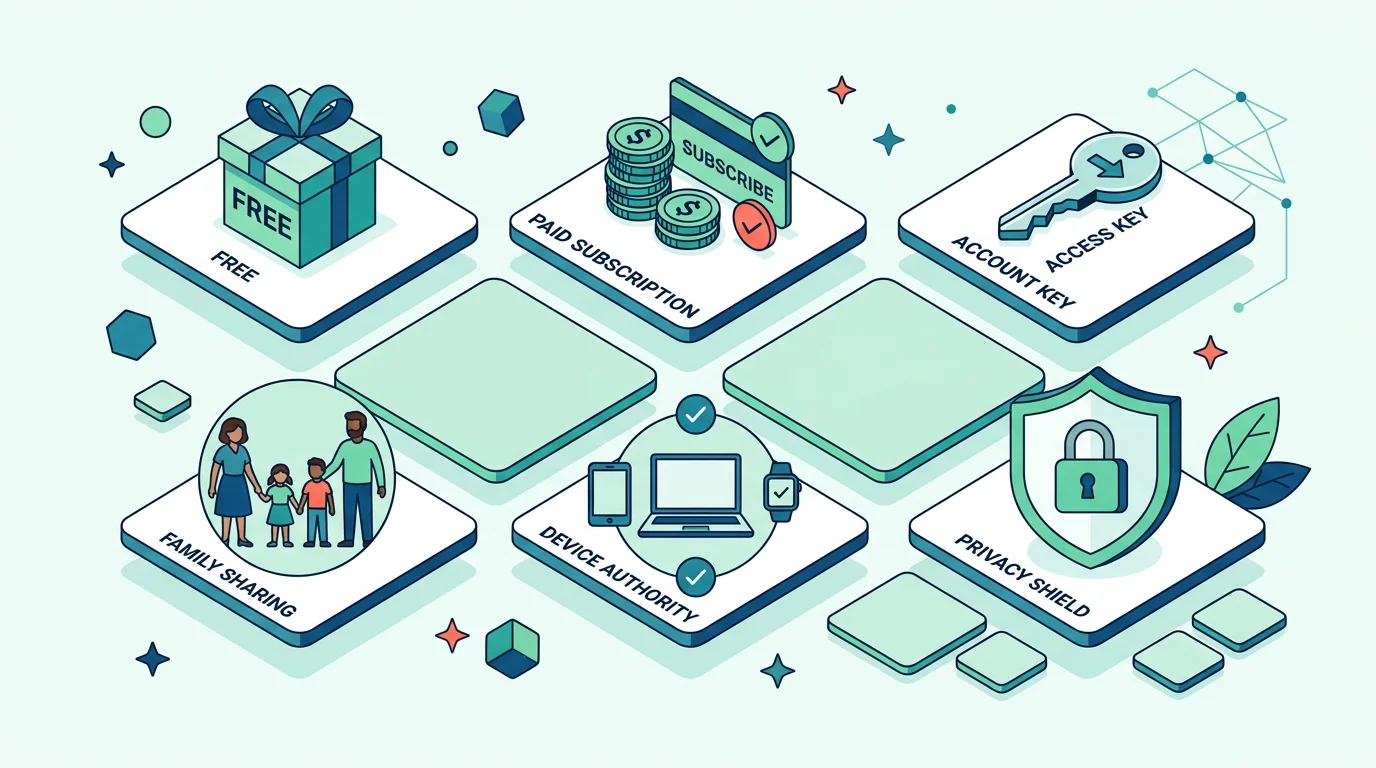
Treat these as 2026 snapshots. Free platform tools can still require the right account/device relationship, and paid tools can fail if the access path is wrong.
| App | Free or paid | Access path | Main caveat |
|---|---|---|---|
| Google Find Hub | Free | Your Google account and device settings | Not for tracking arbitrary phones |
| Apple Find My | Free | Apple Account and opted-in sharing | Apple ecosystem only |
| Life360 | Free + paid plans | Circle membership and location sharing | Paid tiers for richer history/safety |
| Google Family Link | Free | Supervised child Google account | Not a spy dashboard |
| Hoverwatch | Paid after trial/checkout | Authorized Android setup | Not remote or universal tracking |
Paid monitoring suites and high-access tools

mSpy, uMobix, Eyezy, KidsGuard Pro, and similar products are paid monitoring suites. They can be relevant when you need broader phone activity visibility, but they belong in a paid mobile monitoring comparison rather than a basic phone-tracker list.
FlexiSPY is even more specialized. It belongs in a high-access category, not as a casual recommendation for families who only need location.
If you need that broader commercial comparison, use the mobile spy app guide or the spy phone tracker app guide. If you only need a free Android parental-control route, see the free Android monitoring app guide.
Old tracker names and scams to avoid
The old article included products and claims that should not be carried forward as recommendations.
Spyzie, Cocospy, Spyic, TheTruthSpy, and similar legacy names should be treated as high-risk or stale unless a current official product and pricing path is verified. Security reporting around stalkerware has repeatedly shown breaches, leaks, and exposed data across this industry.
Avoid sites that promise to track any phone by number, show a live map after entering a phone number, or claim access without account relationship, physical setup, family sharing, or device ownership. That is not how credible phone tracking works.
How to choose before you install

Start with the access path.
Use Google Find Hub for your own Android phone, Apple Find My for iPhone, Life360 for family location, or Family Link for a supervised child’s Android device.
Use Hoverwatch only when you own or are authorized to monitor the Android device and need more than location sharing.
Then check the price, account requirements, device type, location permissions, location history needs, and data-security tradeoff. If a free platform tool solves the problem, use it before sending sensitive phone data to a commercial monitoring vendor.
Name the phone relationship
Own phone, family member, child account, company device, or authorized Android install.
Choose the least invasive path
Use platform tools or family sharing before a commercial monitoring dashboard.
Check price and billing
Separate free tools, monthly plans, annual effective prices, and multi-device offers.
Reject impossible claims
Skip any offer that promises a live map from a phone number alone.
Bottom line
Choose by access path, not by the boldest tracking promise. Google Find Hub, Apple Find My, Life360, Google Family Link, and Hoverwatch all solve different tracking problems.
No app can track any phone from nowhere. The credible options work because there is an account, a shared location relationship, a supervised child setup, or an authorized device you control.
FAQ
Phone tracker app FAQ
01 What is the best phone tracker app overall?
There is no single best phone tracker for every case. Google Find Hub is best for your own Android phone, Apple Find My is best for iPhone, Life360 is best for family location, Family Link is best for a supervised child's Android phone, and Hoverwatch is for authorized commercial Android monitoring.
02 Can I track any cell phone by number?
No. Phone-number-only tracking claims are scam signals. Real tracking requires a device or account relationship, location sharing, supervised child setup, or authorized device access.
03 What is the best free phone tracker app?
Google Find Hub is the best free choice for your own Android phone. Apple Find My is the best free choice for iPhone. Google Family Link is the best free choice for a supervised child's Android phone.
04 What is best for tracking a child's Android phone?
Start with Google Family Link if you need transparent parental controls and child location. Use Life360 if your family mainly needs shared location and geofences. Consider a paid monitoring product only when those free tools do not solve the authorized need.
05 When should I use Hoverwatch instead of a family locator?
Use Hoverwatch only when you own or are authorized to monitor the Android device and need commercial monitoring beyond family location. If location sharing is enough, Life360, Family Link, Find Hub, or Find My are safer first checks.