The best spy apps for Android and iPhone are the ones that match the device path first. Start with Hoverwatch for Android-first monitoring, mSpy, Eyezy, or KidsGuard Pro for iPhone or account-sync cases, uMobix or iKeyMonitor for specific Android or budget checks, and FlexiSPY only when a high-access setup is justified and verified.
Android monitoring usually means physical access, installation, and permissions on the device. iPhone monitoring more often depends on iCloud, Wi-Fi sync, Apple Account access, verification codes, backup state, or a higher-access device state. No credible consumer spy app installs on any phone from only a phone number.
This guide is based on current official product pages, support material, pricing pages where available, and policy/safety sources. Use monitoring software only on devices you own, manage, or have clear authority to monitor, and check the law where you live.
Fast answer
Choose by platform first: Android app paths and iPhone account-sync paths are different buying decisions.
Hoverwatch is the first Android-focused option to verify, but it is not an iPhone monitoring tool.
mSpy, Eyezy, and KidsGuard Pro are stronger first checks when the question is iPhone or iCloud-style monitoring.
uMobix and iKeyMonitor are useful Android or budget candidates, but exact feature and price fit should be verified before paying.
Phone-number-only installation, guaranteed invisibility, and vague checkout pages are warning signs.
Best spy apps for Android and iPhone compared
The useful answer is not a single universal winner. The best choice depends on whether the phone is Android or iPhone, what access you actually have, which data category matters, and whether the vendor explains pricing and support clearly.
| App | Best fit | Platform path | Approx. price signal | Key caveat |
|---|---|---|---|---|
| Hoverwatch | Android-first monitoring and computer monitoring | Android app; Windows and macOS support | Public pricing page shows a lower one-device entry than many broad suites | No iPhone support found in current Hoverwatch materials |
| mSpy | Broad Android and iPhone monitoring comparison | Android physical access; iPhone iCloud or Wi-Fi sync paths | About $48.99/mo, $27.99/mo quarterly, or $11.66/mo annually | Features differ sharply by Android vs iPhone setup method |
| Eyezy | Family monitoring and social-app buyer intent | Android and iPhone product positioning | About $38.39/mo, $22.39/mo quarterly, or $7.99/mo annually | Exact feature depth and price must be checked before purchase |
| KidsGuard Pro | Separate Android, iOS, and iCloud packages | ClevGuard product family with platform-specific products | Some iOS/iCloud packages around $49.99/mo, $75.99/quarter, or $139.99/year | Buying the wrong package is an easy mistake |
| uMobix | Broad Android-first activity monitoring | Android install path; iPhone path requires live verification | About $49.99/mo, $29.99/mo quarterly, or $12.49/mo annually | Marketing can sound broader than device-specific reality |
| iKeyMonitor | Budget/free and specific Android checks | Android non-root path; limited iOS situation | Free basic plan plus paid add-ons | Free/basic does not mean full monitoring suite |
| FlexiSPY | High-access monitoring suite | Device-state and feature-dependent paths | Check current official checkout | High-verification choice, not a casual default |
If your real goal is only location, start with the phone tracker comparison hub before choosing a higher-access monitoring app. If your question is specifically about typed input, the Android keylogger app guide is the better next read.
Android and iPhone spy apps do not work the same way
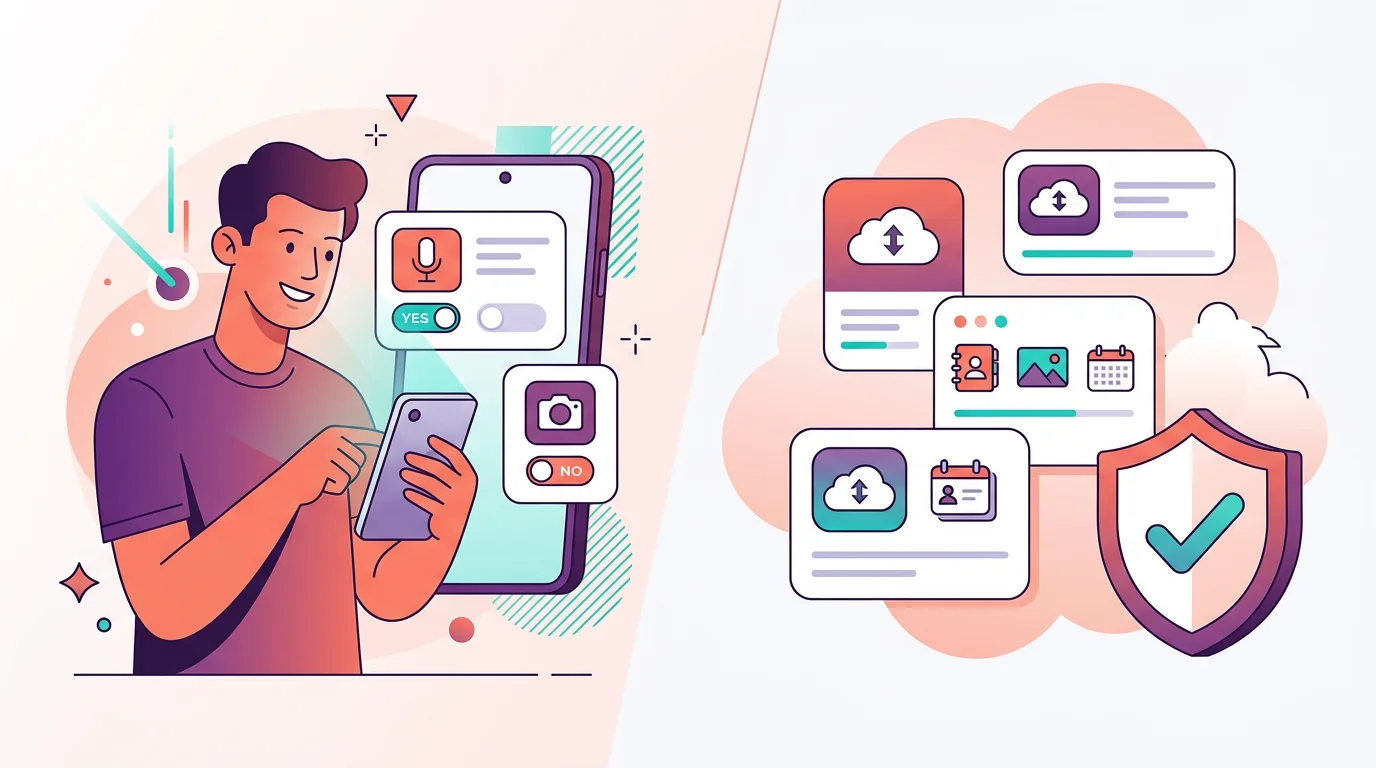
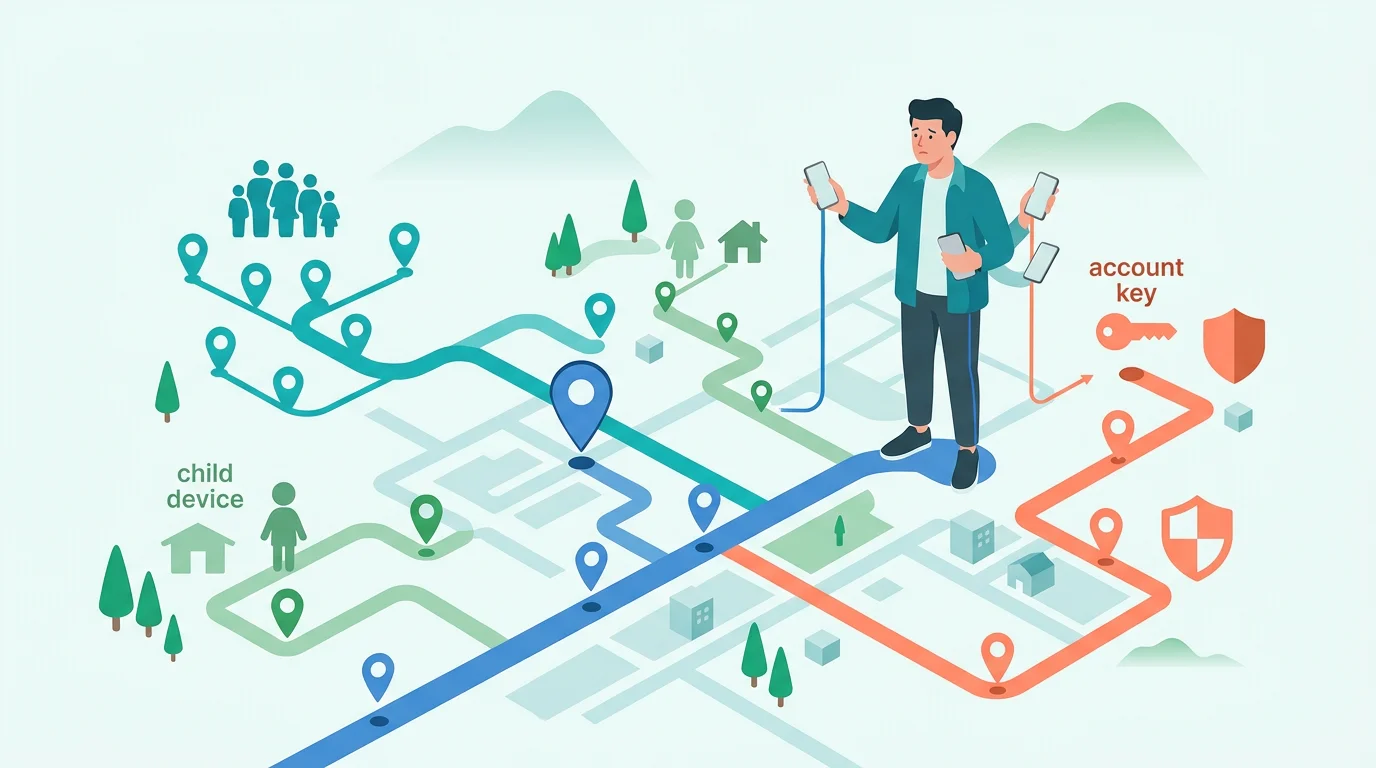
Android and iPhone monitoring differ because the operating systems expose different data, permission models, and account paths. Android monitoring apps usually depend on direct device access and permissions. iPhone monitoring often depends on Apple account data, backup/sync state, or a more restrictive high-access setup.
Android monitoring usually starts with the device in hand, an installed app, and granted permissions. The result can still vary by Android version, manufacturer changes, battery controls, accessibility access, security settings, and the exact feature being monitored.
iPhone monitoring is more likely to use iCloud or Wi-Fi sync, Apple Account credentials, verification-code access, backup state, and Family Sharing for some location features. Deeper iPhone monitoring may require a device state that most ordinary buyers should treat as high-risk and high-friction.
If the need is location sharing, screen-time limits, lost-device recovery, or child-account supervision, a transparent first-party tool may be enough. Apple Find My, Google Find Hub, Google Family Link, Apple Family Sharing, and similar controls are often a better fit than a higher-access spy app.
For a deeper explanation of tracker categories, see what a phone tracker is and how it works. For location-specific intent, use the authorized location tracking guide.
How we evaluated the apps

We evaluated these apps as buyer fit checks, not as a lab test or a vendor ranking. A useful product needed current official evidence, a plausible platform path, visible pricing or checkout signals, and enough documentation to understand the risk before purchase.
The first filter was access honesty. A page that explains Android physical access, iPhone account-sync requirements, or feature limits is more useful than a page promising invisible monitoring on any device.
These filters separate useful buyer evidence from old affiliate claims.
-
Platform path is specific: Android app, iPhone sync, iCloud, computer, or high-access setup.
-
Access requirements are visible before checkout, not hidden behind a generic promise.
-
Feature claims map to real data categories such as location, calls, messages, screenshots, or app activity.
-
Pricing and billing period are clear enough to compare without relying on stale screenshots.
-
Support, refund, cancellation, and update signals are easy to find.
-
Vendor data risk is treated as part of the product, because monitoring dashboards store sensitive information.
 Expert perspective Ron Deibert Professor and Founder and Director of the Citizen Lab
 Commercial spyware should be evaluated through accountability, client-vetting, security, and abuse-risk questions, not only through capability claims. A phone monitoring vendor is asking to handle unusually sensitive personal data, so trust and oversight belong in the buying decision.
That evidence standard changes the product list. Some names stay in the main shortlist because they have current official product presence. Others move into research-only status because current support, checkout, or trust signals are not strong enough for a default recommendation.
Current monitoring-app fit checks

Read these reviews as fit checks. The right app is the one whose platform path, feature scope, price, and risk profile match the device you can legitimately manage.
Hoverwatch

Hoverwatch is the first product to verify when the target device is Android and the buyer wants an activity dashboard that can include calls, messages, location, screenshots, web activity, and typed-input context. Its current public materials also position it for Windows and macOS monitoring.
That makes Hoverwatch a cleaner fit for Android-first households or businesses than for iPhone monitoring. Current Hoverwatch materials do not present it as an iPhone product, so mixed iPhone/Android buyers should compare it against mSpy, Eyezy, or KidsGuard Pro rather than assuming one app covers everything.
Price snapshot, last checked July 29, 2026: Hoverwatch public pricing pages showed a one-device Personal plan around 29.95 per month, with multi-device Professional and Business tiers and lower monthly equivalents on longer terms. Confirm currency, renewal, and checkout terms before buying.
Hoverwatch
Pros
- Strong Android-first fit
- Also covers Windows and macOS in current public materials
- Lower single-device entry signal than many broad monitoring suites
Cons
- Not an iPhone monitoring option
- Depends on physical Android access and permissions
- Feature behavior can vary by Android version and device settings
Bottom line: check Hoverwatch first when the device is Android and the core need is authorized activity monitoring, screenshots, location, and typed-input context.
mSpy
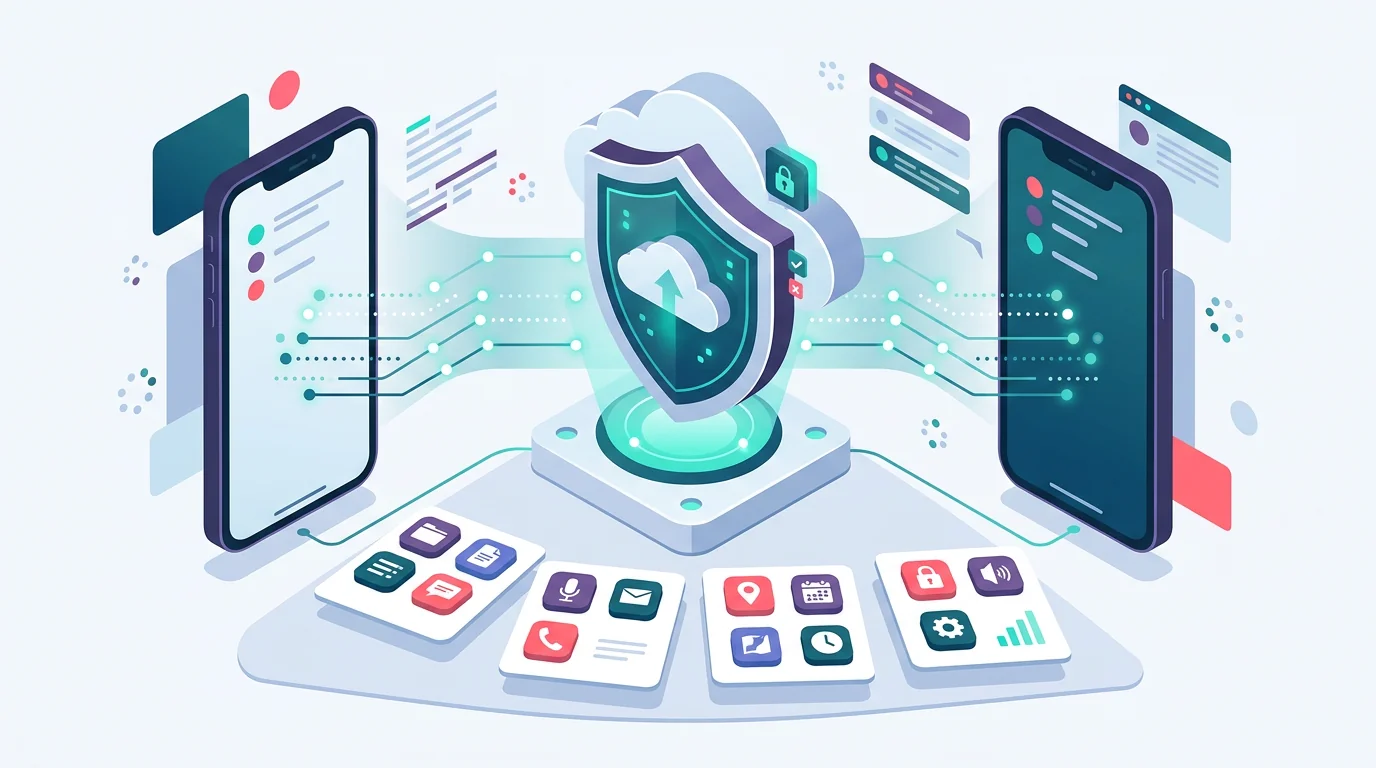
mSpy is one of the strongest cross-platform candidates because its official compatibility material describes separate Android and iPhone paths. That makes it useful for mixed-device buyers, but the setup method changes what the product can actually show.
Android requires physical access to the device, then app installation and permissions. This path is more direct, but device settings, Android version, and manufacturer restrictions still affect results.
iPhone monitoring can involve iCloud Sync or Wi-Fi Sync. Those paths depend on Apple Account access, verification-code access, backup state, and the data categories available through sync.
Price snapshot, last checked July 30, 2026: mSpy’s public pricing article listed Premium at about $48.99 for 1 month, $27.99 per month on a 3-month plan, and $11.66 per month on a 12-month plan. Treat the annual figure as a billed-upfront equivalent, not a month-to-month rate.
mSpy
Pros
- Broad Android and iPhone buyer fit
- Official materials explain several platform paths
- Useful when the household has mixed device types
Cons
- Android and iPhone feature depth are not identical
- iPhone paths depend on account, verification, and backup conditions
- Longer plans can make price comparison less obvious
Bottom line: mSpy is a strong first check for mixed Android/iPhone buyers who can verify the exact setup path before paying.
Eyezy

Eyezy fits readers comparing broad family monitoring, social-app activity, location, alerts, and app-use visibility across Android and iPhone. Its public pages position it for iPhones, iPads, Android phones, and Android tablets.
Eyezy has current public product presence and matches the common buyer intent around social-app visibility, location, alerts, and family monitoring across mobile platforms.
Its public FAQ describes affordability broadly and points readers toward compatibility checks. The exact price and feature depth can still depend on checkout, device, platform, and installation path.
Price snapshot, last checked July 30, 2026: Eyezy’s public pricing article listed 1 month at about $38.39 per month, 3 months at about $22.39 per month, and 12 months at about $7.99 per month. Those are promotional-style prices, so verify the live checkout total and renewal terms.
Eyezy
Pros
- Current broad monitoring product presence
- Relevant for social-app and family-monitoring buyer intent
- Public pages position it for Android and iPhone devices
Cons
- Public pricing can be vague
- Feature depth must be checked by platform
- Hidden-mode marketing should not be treated as guaranteed invisibility
Bottom line: Eyezy is worth checking for broad family monitoring, but do not buy until the platform path, feature set, and live price are clear.
KidsGuard Pro

KidsGuard Pro is useful because the ClevGuard ecosystem separates Android, iOS, iCloud, and child-control products. That can help buyers choose a device-specific path, but it also creates a real package-matching risk.
Do not assume “KidsGuard Pro” means one identical tool for every phone. KidsGuard Pro for iOS, KidsGuard Pro for iCloud, KidsGuard Pro for Android, and KidsGuard for Children can represent different packages, prices, and feature scopes.
Price snapshot, last checked July 29, 2026: ClevGuard store pages showed KidsGuard Pro for iOS and iCloud around $49.99 for 1 month, $75.99 for a quarter, and $139.99 for a year. KidsGuard for Children appeared as a cheaper parental-control product. Confirm the exact package at checkout.
Consider KidsGuard Pro when you want a current product family with separate Android, iOS, and iCloud paths and you are willing to match the package carefully.
Skip it when the package name, platform path, or feature list is unclear. Buying the wrong iOS, iCloud, Android, or child-control product can make the comparison meaningless.
Bottom line: KidsGuard Pro is a useful iPhone/iCloud candidate only after you match the exact package to the device and feature need.
uMobix
uMobix belongs in the current shortlist for broad Android-first monitoring. Its public materials describe Android compatibility and a setup flow based on registering, installing on the child’s device, and viewing data in an account.
uMobix is relevant when the buyer wants broad activity context, social-app visibility, location, and a current commercial product rather than an old legacy name.
Broad marketing language can outrun device-specific reality. Before buying, verify the Android version, required access, social-app coverage, and whether the iPhone path matches the data you expect.
Price snapshot, last checked July 30, 2026: uMobix public blog pricing listed 1 month at about $49.99, 3 months at about $29.99 per month, and 12 months at about $12.49 per month. Treat these as public pricing signals and verify the live checkout before buying.
uMobix
Pros
- Current broad monitoring product presence
- Useful Android-first fit for activity and app-context buyers
- Relevant when social-app visibility is part of the comparison
Cons
- Live price must be verified
- iPhone path and feature depth need careful checking
- Marketing can sound broader than platform permissions allow
Bottom line: uMobix is a current Android-first candidate, but verify platform, plan, and checkout price before treating it as the right fit.
iKeyMonitor

iKeyMonitor is the budget and add-on candidate in this group. Its official pages describe a free basic plan plus paid add-ons, which makes it useful for readers who want to test a narrower monitoring need before buying a broad suite.
The free basic plan and paid add-ons make iKeyMonitor useful when the buyer wants to test a specific monitoring need instead of buying a full broad suite immediately.
Current compatibility material describes Android non-root support, while the no-jailbreak iOS edition is listed as discontinued. That makes it a better Android/budget fit than a first iPhone recommendation.
Price snapshot, last checked July 29, 2026: iKeyMonitor public purchase pages described a free basic cloud plan plus add-ons from 9.99 for 3 days or from 16.66 per month. Self-hosted business pricing was separate and required a larger deployment.
Bottom line: iKeyMonitor is one of the better first checks when budget matters and the device path is Android.
FlexiSPY
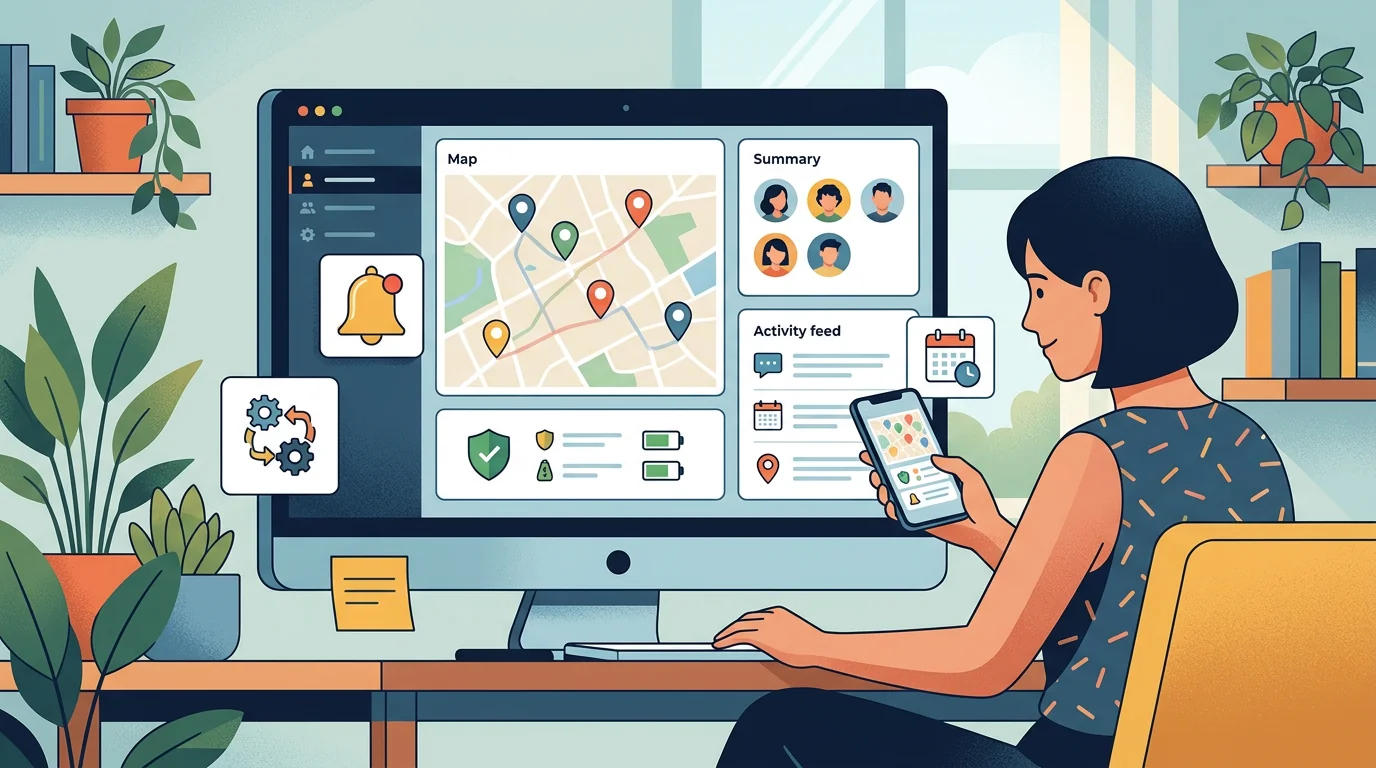
FlexiSPY belongs in the high-access, high-verification category. It can be relevant when the buyer wants deeper monitoring categories, but those capabilities make platform compatibility, device state, price, and legal authority more important.
This is not the product to buy casually from a feature list. Treat FlexiSPY as a candidate only after confirming the exact device, operating-system version, required access, supported features, and current checkout terms.
Price snapshot, last checked July 30, 2026: FlexiSPY did not have a stable public English pricing table that was reliable enough for this article. Treat it as a checkout-required product and verify the current plan, device support, and refund terms before purchase.
Consider FlexiSPY when broad monitoring depth matters more than simplicity and you can verify that the exact phone supports the required feature set.
Skip it when you need a low-friction, low-risk, low-cost tool or cannot verify the required access path before paying.
Review FlexiSPY’s current requirements before treating it as a fit.
Bottom line: FlexiSPY is a high-verification option, not the default answer for most Android and iPhone buyers.
How much do Android and iPhone spy apps cost?
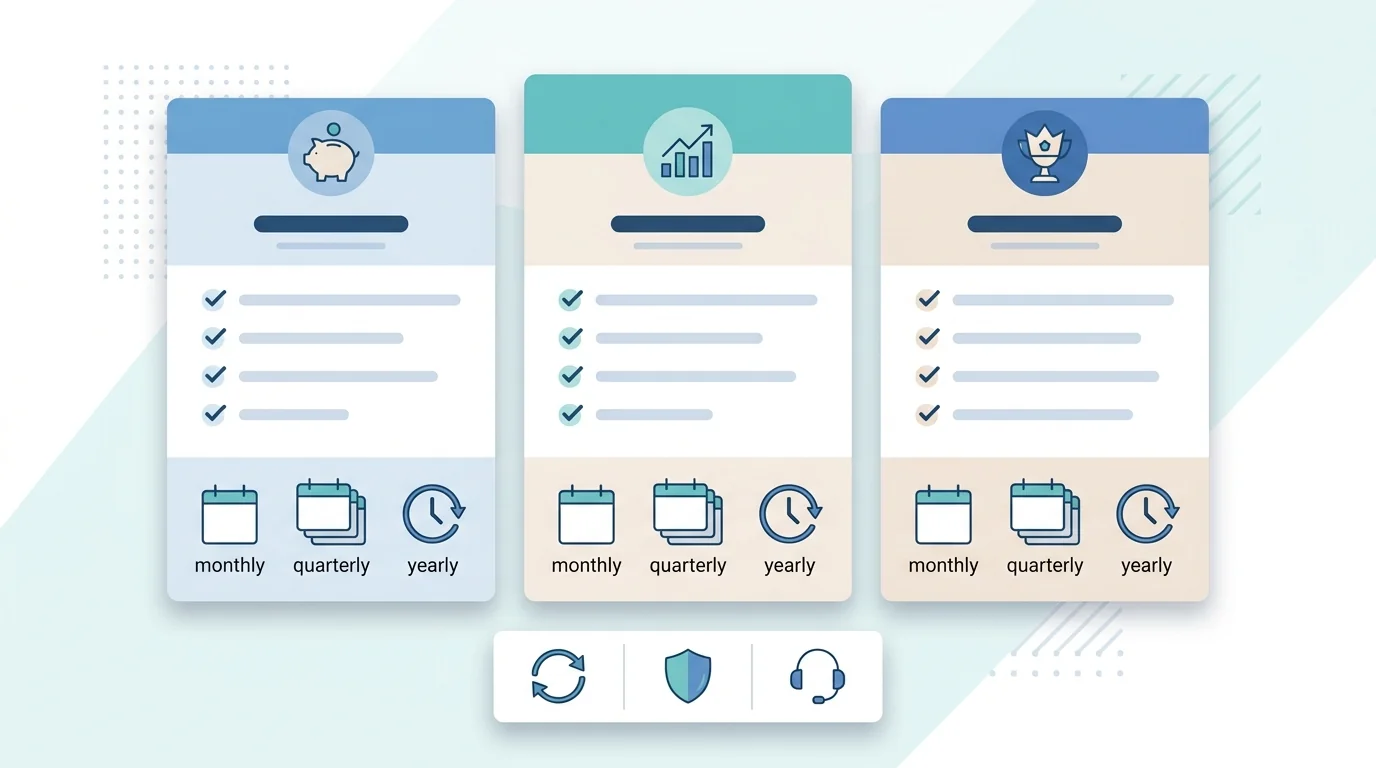
Spy app prices change often because vendors use discounts, longer billing periods, checkout-only offers, and region-specific pages. Compare price after platform and access, not before.
A clear pricing page helps you compare billing period, device count, renewal cost, refund terms, and whether the vendor is transparent enough to trust with sensitive monitoring data.
A low annualized price does not prove feature depth, Android compatibility, iPhone sync coverage, hidden-mode reliability, social-app support, or refund quality.
| Product | Approx. entry point | Plan note | Confidence |
|---|---|---|---|
| Hoverwatch | Around 29.95/month for one device | Multi-device tiers and longer plans reduce monthly equivalent | Official public pricing page checked July 29, 2026 |
| mSpy | About $48.99/mo; $27.99/mo quarterly; $11.66/mo annually | Annualized price is much lower but is not month-to-month billing. | Official public pricing article checked July 30, 2026 |
| Eyezy | About $38.39/mo; $22.39/mo quarterly; $7.99/mo annually | Promotional-style public prices; verify checkout and renewal. | Official public pricing article checked July 30, 2026 |
| KidsGuard Pro | Around 49.99/month for some iOS/iCloud packages | Separate iOS, iCloud, Android, and child-control products | Official store checked July 29, 2026 |
| uMobix | About $49.99/mo; $29.99/mo quarterly; $12.49/mo annually | Public blog pricing; checkout may show different promotions. | Official public blog pricing checked July 30, 2026 |
| iKeyMonitor | Free basic; paid add-ons from 9.99/3 days | Full features depend on add-ons or deployment type | Official purchase page checked July 29, 2026 |
| FlexiSPY | Check current official checkout | High-access suite; no stable public English price table confirmed. | Checkout-required; no fixed article price |
The practical rule is simple: a cheaper product is not cheaper if it cannot collect the specific data you need on the exact device you can manage. Start with platform, then access, then feature fit, then price.
Legacy, risky, or research-only spy apps
Some spy app names still appear in search results because old comparison pages keep them alive. That does not make them current, safe, or worth recommending by default.
Do not treat a product as a main recommendation unless current official support, checkout, platform compatibility, and data-handling signals are clear. Hidden-mode claims, stale domains, unclear ownership, and poor support visibility belong in the risk column.
 Expert perspective Eva Galperin Director of Cybersecurity, Electronic Frontier Foundation
 EFF’s work on the Coalition Against Stalkerware treats covert phone monitoring as a safety and abuse-risk problem, not just a software category. Buyer guides should therefore treat hidden-use marketing, weak vendor accountability, and unclear consent models as product risks.
A product should leave the main shortlist when official pages are missing, domains are inconsistent, checkout is unclear, or compatibility claims rely on old screenshots.
A monitoring dashboard can contain location, messages, photos, calls, and account data. Vendor security, retention, disclosure, and misuse controls are part of the product.
| Name | Why readers may see it | What to verify first |
|---|---|---|
| TheTruthSpy | Legacy spy-app lists and search demand | Current domain, support, checkout, Android/iPhone compatibility, and trust history |
| Spyzie | Older phone monitoring roundups | Current official product status and billing path |
| Cocospy | Legacy affiliate comparisons | Support status, vendor identity, breach/trust history, and checkout |
| XNSPY | Broad spy-app marketing | Current platform split, price, refund terms, and installation requirements |
| Spynger | Current commercial monitoring positioning | Vendor identity, support, live price, and access requirements |
| SPYERA | High-access monitoring suite positioning | Supported devices, access requirements, pricing, and data-risk signals |
| MobiStealth | Older monitoring app lists | Current official support, checkout, and compatibility |
This section is not a ban list. It is a verification boundary. If a product cannot prove current support, platform fit, and a credible data-handling story, it should not be sold to readers as one of the best choices.
How to choose the right app
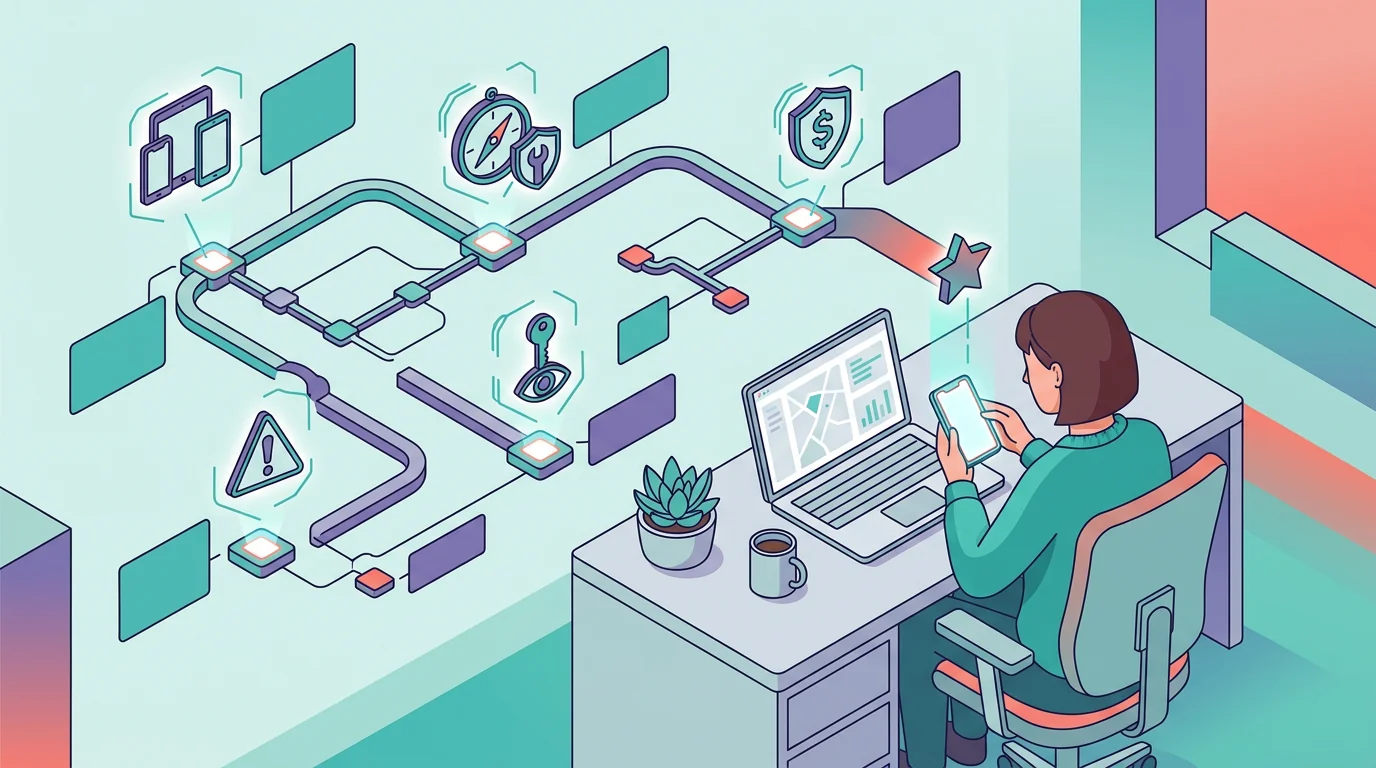
Choose the app by device path first, feature second, price third, and risk before checkout. This order prevents the most common mistake: buying the product with the loudest feature list before checking whether the device path can support it.
Check whether the phone is Android or iPhone, whether you have physical access or account access, whether 2FA is available, and whether the device is personally owned, child-managed, or company-managed.
Translate the goal into data categories: location, calls, messages, screenshots, typed input, web history, app activity, alerts, or account-sync data. Then compare only products that support that category on that platform.
Use these checks before buying a monitoring app.
Check the platform
Android app monitoring and iPhone account-sync monitoring are different choices.
Define the feature
Know whether you need location, calls, messages, screenshots, typed input, or app activity.
Confirm access
Physical access, credentials, verification codes, and permissions decide what is possible.
Check price and support
Look for renewal price, refund terms, cancellation friction, and support channels.
Screen for scams
Phone-number-only access, impossible-to-detect claims, and unclear domains are red flags.
If invisibility is the reason you are comparing apps, read the Android hidden-mode guide for a more careful treatment of those claims. Hidden mode is not the same as guaranteed invisibility, and it can increase safety, policy, and trust risk.
Final recommendation
For most readers, the practical shortlist is Hoverwatch, mSpy, Eyezy, KidsGuard Pro, uMobix, iKeyMonitor, and FlexiSPY. That does not mean all seven fit the same situation.
Hoverwatch is the first Android-focused option to verify. mSpy, Eyezy, and KidsGuard Pro are stronger first checks when the question is iPhone, iCloud, or mixed-device monitoring.
uMobix and iKeyMonitor fit Android-specific or budget-driven comparisons. FlexiSPY belongs in the high-access category and should be checked only after compatibility and risk are clear.
Start with Hoverwatch for Android, then compare mSpy, Eyezy, and KidsGuard Pro when iPhone or account-sync coverage matters.
Use uMobix and iKeyMonitor for specific Android or budget checks. Treat FlexiSPY and legacy names as higher-verification choices.
| Reader need | Start with | Why |
|---|---|---|
| Android monitoring | Hoverwatch, uMobix, iKeyMonitor | These are easier to compare when physical Android setup is realistic. |
| iPhone or iCloud path | mSpy, Eyezy, KidsGuard Pro | These products are more relevant to account-sync or iPhone package comparisons. |
| Budget test | iKeyMonitor, Hoverwatch | Their entry signals are clearer than many broad suites. |
| High-access suite | FlexiSPY | Consider only after verifying device support, feature requirements, and risk. |
| Location-only need | First-party finders or tracker guides | A spy app is unnecessary if transparent location sharing solves the problem. |
Avoid any page that promises full monitoring from only a phone number, hides access requirements, or treats “undetectable” as proof of safety.
Frequently asked questions
Android and iPhone spy app FAQ
01 Can a spy app work on both Android and iPhone?
Yes, some monitoring products support both Android and iPhone, but not through the same method. Android usually depends on device access and permissions, while iPhone often depends on iCloud, Wi-Fi sync, or a platform-specific package.
02 Do I need physical access to install a spy app?
For Android, physical access is normally required to install the app and grant permissions. For iPhone, some products use account-sync paths, but verification codes, backup settings, or initial device access may still matter.
03 Can I install a spy app with only a phone number?
No credible consumer spy app installs from only a phone number. A claim like that usually means the page is exaggerating, selling a scam, or trying to push you toward unsafe account-access behavior.
04 Which spy app is best for iPhone without jailbreak?
Start with products that document an iCloud, Wi-Fi sync, or iPhone-specific path, such as mSpy, Eyezy, or KidsGuard Pro. The best fit depends on Apple Account access, verification, backup state, and whether the feature you need is available through that path.
05 Are hidden spy apps really undetectable?
No hidden-mode claim should be treated as guaranteed invisibility. Monitoring apps can leave traces in permissions, battery use, network activity, security alerts, account notifications, or device settings, and hidden-use marketing increases safety and policy risk.